
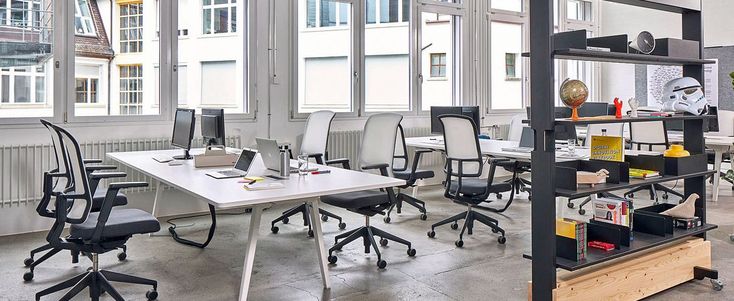
As per a Harvard Business Review research, workers in workspaces that are optimized indicate a productivity level up to 16% higher and an increased job satisfaction than workers in a poorly designed workspace. That is not merely a statistic, but indicators of a real growth in revenue and reduced turnover, as well as improved team performance. The manner in which your office is designed will directly influence focus, cooperation, innovation and even retention. The office space planning is no longer a matter of cramming desks in square feet; it is a business tactical move.
To create an office that makes the maximum out of the productivity and comfort, it is necessary to carefully plan the design basing on the analysis of the workflow, ergonomics, environmental psychology, and operational efficiency. Here, you will find in-depth, sensible advice that will help you plan your office space in the manner that will trigger tangible performance increases.
Start with Workflow Mapping, Not Furniture Selection
The common mistake that most companies commit is choosing desks and partitions and not studying the way their teams are functioning. First step in optimization of workspace is to know the pattern of movement, frequency of communication and the nature of task that require optimization.
Conduct a workflow audit:
- Monitor the rates of using physical or virtual teams.
- Find departments that need to be quiet (e.g. finance, coding, legal).
- Highway map (print areas, coffee stations, meeting rooms).
- Examine high occupancy trends.
Based on space utilization data, are you in need of:
- More collaborative zones
- Focus pods for deep work
- Hybrid desk arrangements
- Modular meeting rooms
In such a case, when marketing and sales are teamed up in the day to day running, then by placing them at the other end of the office this will add pressure. Strategic adjacency planning minimizes the time of communication and enhances efficiency of teams.
.
Balance Open-Plan Design with Acoustic Control
Although open offices foster transparency and social interaction, research has demonstrated that an excessive amount of noise can lower the cognitive performance by 66 percent when performing complex tasks. Eliminating open layouts is not the way out, but acoustic zoning.
Implement:
- Acoustic ceiling panels
- Wall treatments of sound absorbing type.
- Tiles made of carpets to reduce the echo.
- Enclosed phone booths
- Collaborative areas White noise systems.
Designate:
- Heads-down work quiet zones.
- Brainstorming team centers.
- Social zones and concentration zones separate.
This stratified strategy promotes the productivity of groups and individual focus.
Prioritize Ergonomic Workstations to Reduce Fatigue
Musculoskeletal discomfort is one of the leading causes of workplace absenteeism. A well-planned office integrates ergonomic office furniture that supports posture and movement.
Key elements:
- Height-adjustable desks (sit-stand capability)
- Ergonomic task chairs with lumbar support
- Monitor arms to maintain eye-level alignment
- Footrests where necessary
- Keyboard trays to prevent wrist strain
Encourage a culture of movement. Incorporate active design principles such as centrally located stairs and shared amenities that prompt light physical activity. Comfort directly impacts mental stamina, and mental stamina drives output.
Use Lighting Design as a Productivity Tool
Lighting has effects on mood, circadian rhythm and focus. Low lighting causes eye tensions and tiredness.
Use a multitiered approach to lighting:
- Enhance the use of natural daylight.
- Set position desks at right angles to windows to minimize glare.
- Install LED light bulbs with color temperature.
- Install work lights to do fine work.
Research indicates that exposure to natural light enhances the quality of sleep and well being. In areas with low natural light, work zones should be simulated by high quality LED lighting with color temperature of 4000K-5000K.
Optimize Air Quality and Thermal Comfort
Indoor environmental quality plays a major role in cognitive performance. Research indicates improved ventilation systems can increase decision-making performance by up to 101% in controlled studies.
Focus on:
- High-efficiency HVAC systems
- Regular air filtration maintenance
- Smart thermostats for zone-based temperature control
- Indoor plants for biophilic enhancement
Thermal comfort is subjective. Offering zoned climate control allows teams to adjust temperatures based on department preference. Comfortable employees remain focused longer.
Design Intentional Collaboration Areas
Innovation comes as a result of spontaneous collaboration, but it has to be planned. Establish special working areas instead of using hallway discussions.
Design elements:
- Movable whiteboards
- Modular seating
- Writable walls
- Unified AV systems of hybrid meetings.
- Charging stations
Locate collaboration hubs in immediate proximity with departments that need brainstorming. They should not be placed next to quiet areas to ensure a physical acoustic separation.
Incorporate Biophilic Design for Mental Clarity
The human being is programmed in such a way that he or she reacts well to natural things. Biophilic office design improves the creative world and lowers stress.
Practical integrations:
- Plants that require minimal maintenance.
- Natural wood finishes
- Stone or textured materials
- Colors imitating nature.
- Green walls within the shared areas.
Even simple plants can be used to alleviate stress and enhance attention restoration.
Implement Flexible Space Planning for Hybrid Work
Modern offices must accommodate hybrid teams. Static desk allocations often result in wasted square footage.
Consider:
- Hot-desking systems
- Reservation-based workstations
- Shared touchdown areas
- Convertible meeting rooms
Keep track of the occupancy in real-time by using digital desk booking software. This database methodology guarantees effective space utilisation and avoids over construction.
Storage and Clutter Control for Mental Focus
Cognitive load is enhanced by clutter. Right office design incorporates adequate storage capacity to ensure visual clarity.
Incorporate:
- Built-in storage cabinets
- Mobile pedestals
- Vertical shelving
- Centralized document storage
You should also include digitization. Minimize physical paper archives to make the environment cleaner.
Wayfinding and Spatial Navigation Matter
Confusing layouts waste time. Design clear pathways and intuitive navigation.
Strategies:
- Logical department clustering
- Visible signage
- Color-coded zones
- Centralized communal areas
Proper planning of the office layout reduces the amount of movement that will be unnecessary and less distracting.
Create Dedicated Wellness Spaces
Burnout reduces productivity. Allocating space for wellness signals that employee health is a priority.
Consider:
- Quiet recharge rooms
- Meditation pods
- Mother’s rooms
- Break lounges separate from workstations
Technology Integration for Seamless Operations
Technology should enhance, not complicate, workflows.
Integrate:
- Built-in cable management systems
- Smart conference room scheduling displays
- High-speed Wi-Fi infrastructure
- Ample power outlets in collaborative zones
- Video conferencing optimized rooms
Material Selection Impacts Durability and Comfort
Select materials that support longevity and sustainability.
Choose:
- Low-VOC paints
- Durable commercial-grade flooring
- Stain-resistant fabrics
- Sustainable materials with environmental certifications
Durable materials reduce long-term operational costs while supporting sustainable workplace design initiatives.
Strategic Space Allocation Ratios
Use planning benchmarks:
- 100–150 square feet per employee (general guideline)
- 30% collaborative space in innovation-driven companies
- 10–15% dedicated quiet areas
- 15–20% shared amenity space
Calibrate ratios depending on industry and workforce behavior.
Conclusion
When planning office spaces, the goal is to maximize the potential of the people using the space, rather than just decorate the space it’s to aid productivity, minimize the number of people absent, increase collaboration, and improve employees’ satisfaction with their jobs. Every design element impacts the outcome, whether it is the quality of the chairs, the design of the space, sound barriers, and so forth.
The competitors who plan their office spaces out the best using actual data, good design, and strategic planning, will defeat all of their competitors who use office space to their employees as an afterthought. With Total Office 360 Inc. you can find an office space design that is purposeful and positive, and will enable and quantify success.